1, 2 oder 3: Die neuen UCI Regeln für Zeitfahr-bikes
English version see below! Endlich ist es soweit: Es gibt mal wieder neue Regularien seitens des Radsportweltverbandes UCI für Zeitfahrräder. Als Weltverband besteht eine der Hauptaufgaben ja darin, Dinge zu regulieren und zumindest bisher auch immer wieder zu verbieten. Das kann ins Absurde führen, etwa wenn es um die erlaubte Länge der Socken geht oder […]
Datum
Lesezeit
Kategorie
Archiv
Endlich ist es soweit: Es gibt mal wieder neue Regularien seitens des Radsportweltverbandes UCI für Zeitfahrräder. Als Weltverband besteht eine der Hauptaufgaben ja darin, Dinge zu regulieren und zumindest bisher auch immer wieder zu verbieten. Das kann ins Absurde führen, etwa wenn es um die erlaubte Länge der Socken geht oder wie man im Rennen auf dem Rad zu sitzen hat. Neuerdings muss das absurderweise ja auf dem Sattel stattfinden und man darf bergab nicht auf dem Oberrohr sitzen. Naja, das hat mich eh nicht mehr interessiert, aber an den Vorgaben wie mein Cockpit am Zeitfahrrad zu sein hat, habe ich mich seit Jahren gerieben und auch hier im Blog immer wieder abgearbeitet.
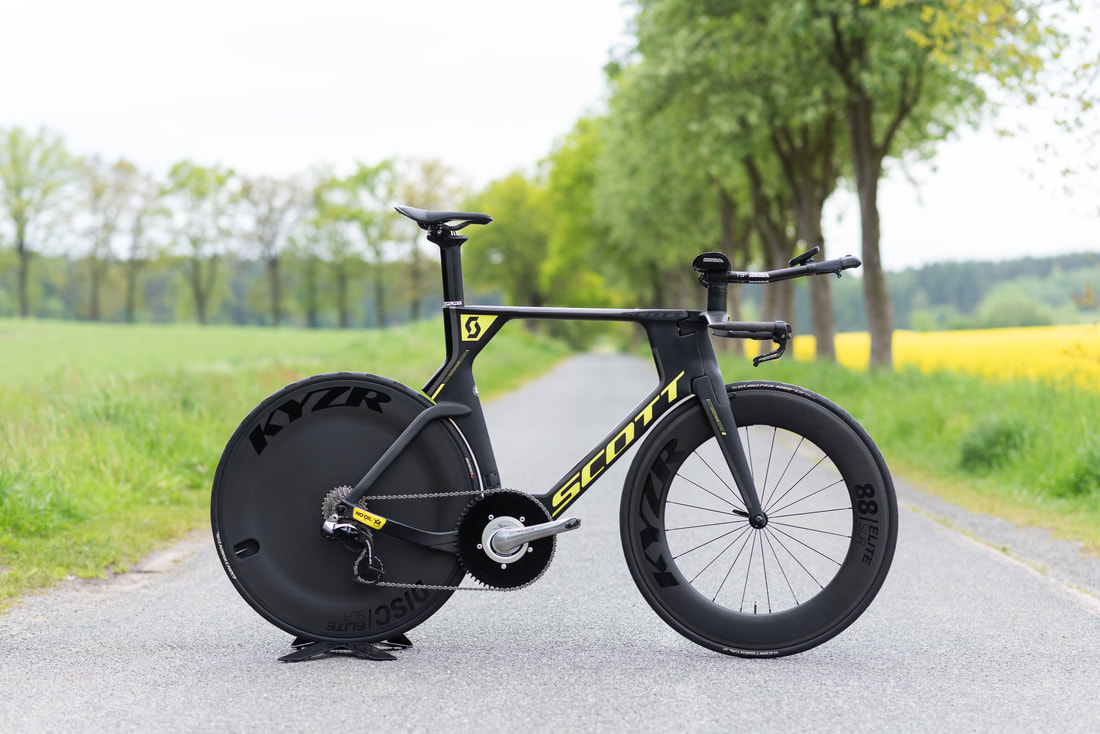
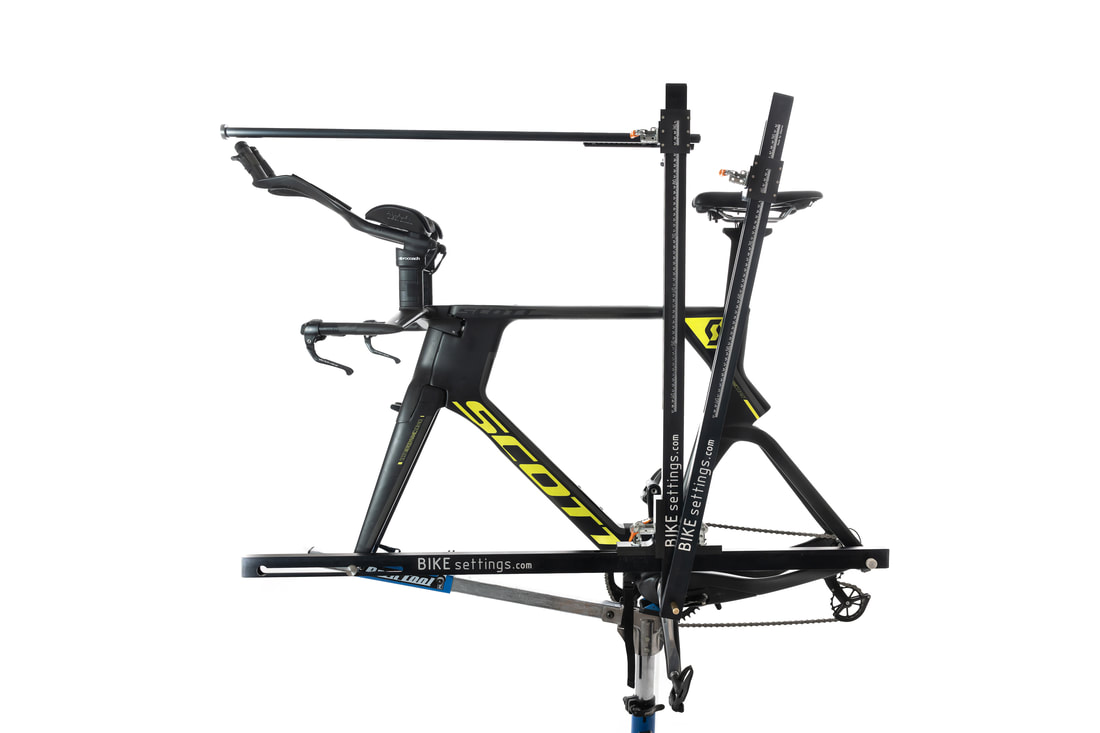
Dazu mal zwei Bilder von ein und demselben Rad, meinem guten alten Scott Plasma in UCI-Abmessungen. Einmal in alt, mit nur zehn und jetzt mit mir daneben und im Regen stehend in 14 Zentimetern Höhenunterschied.

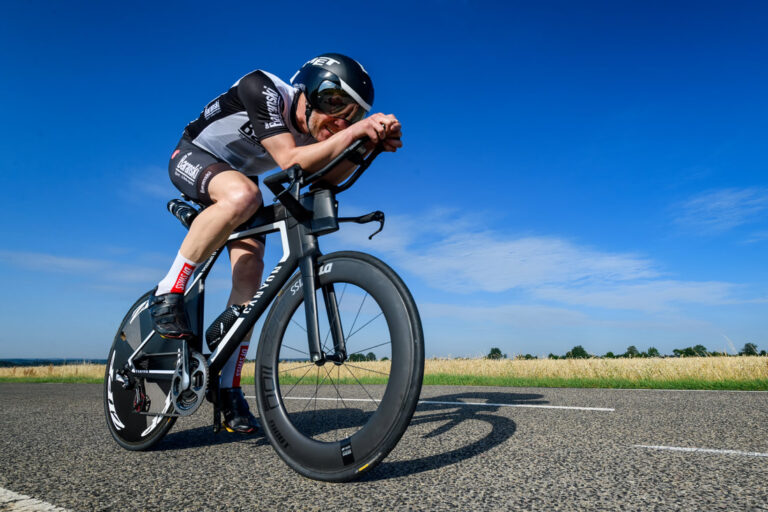
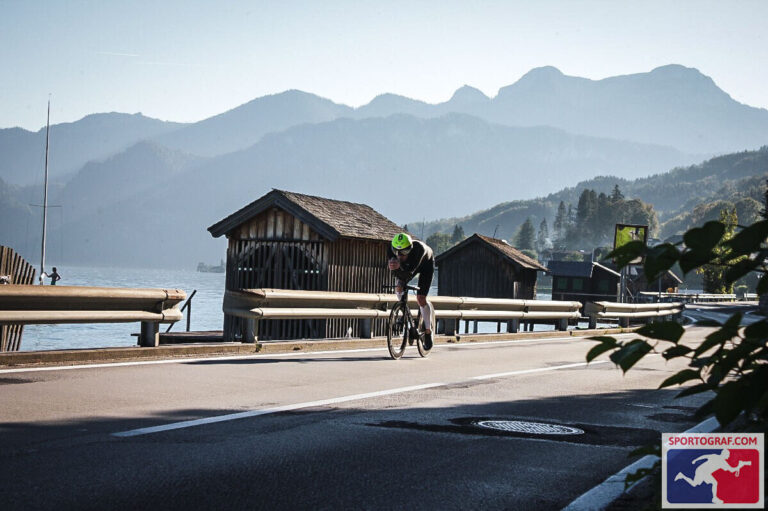
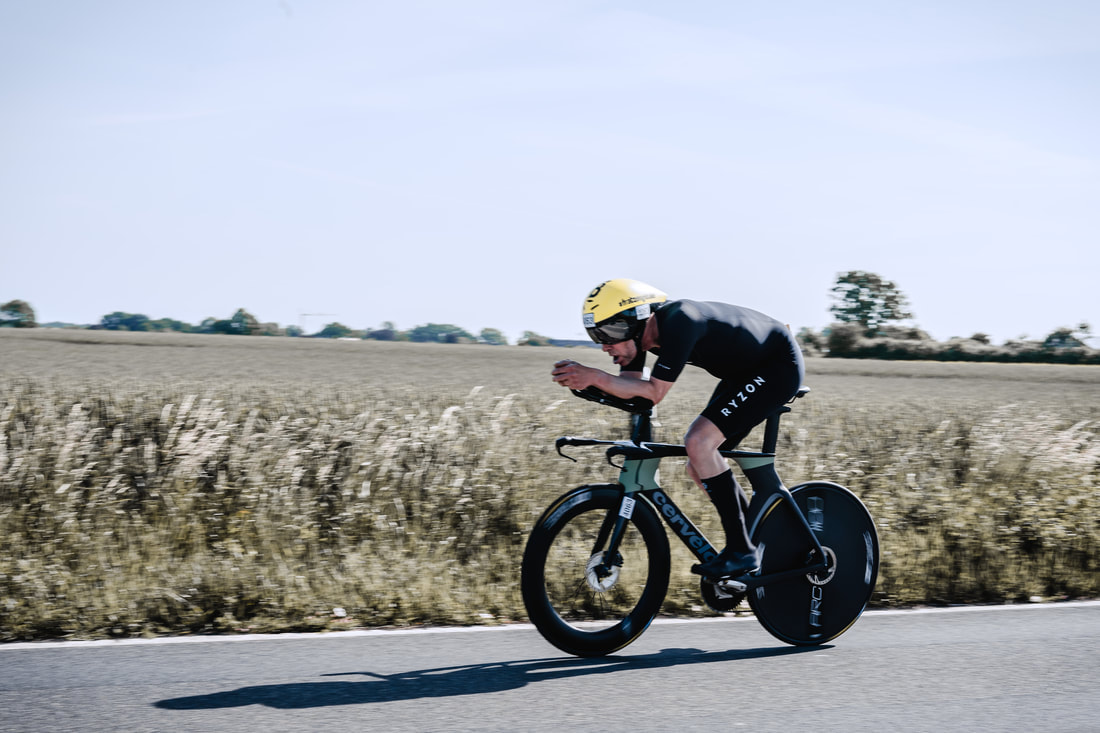
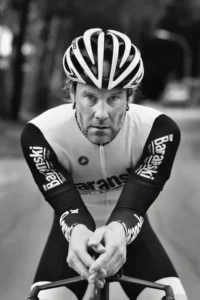
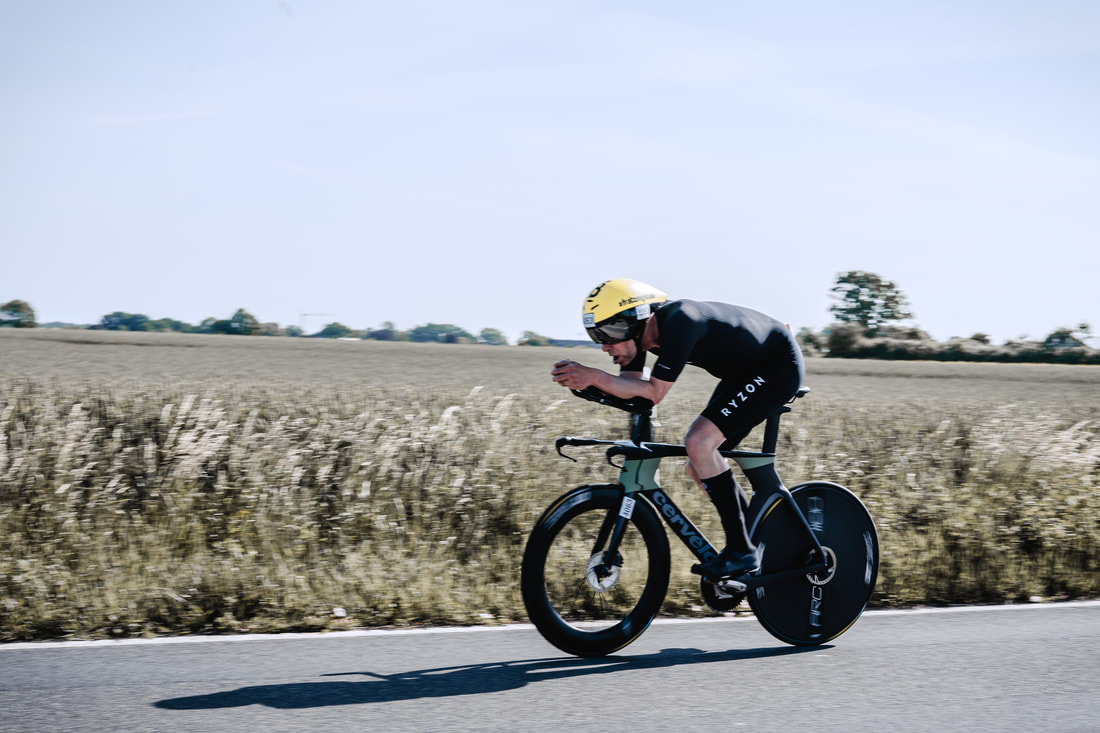
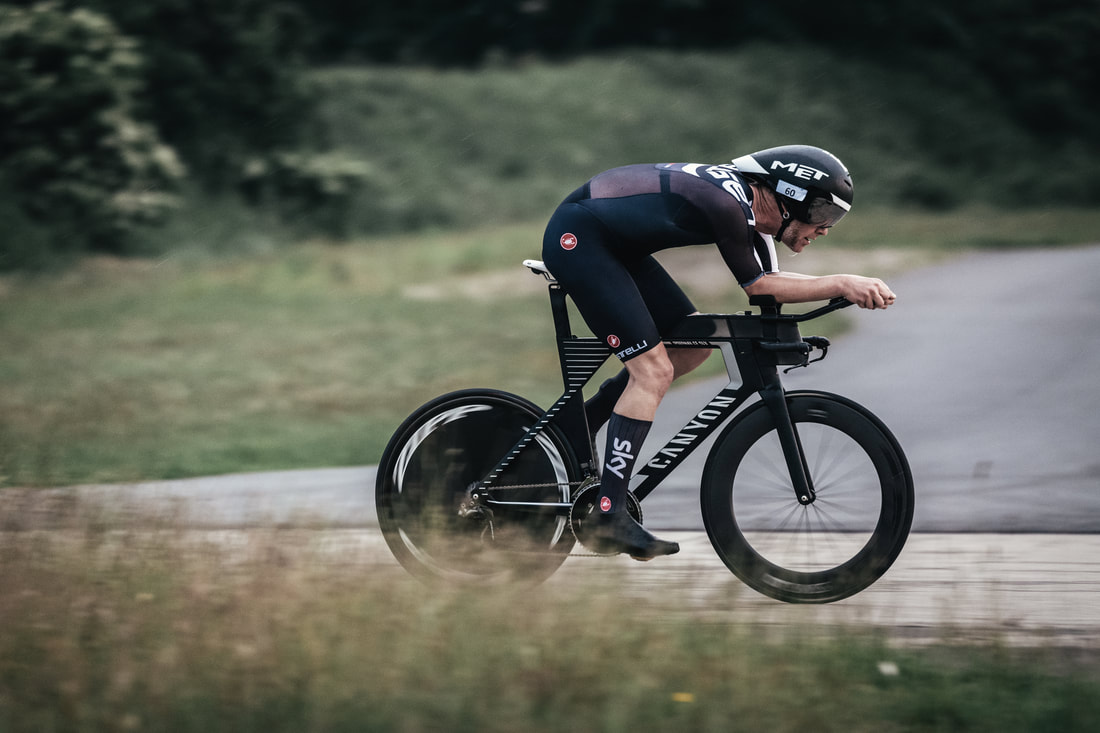
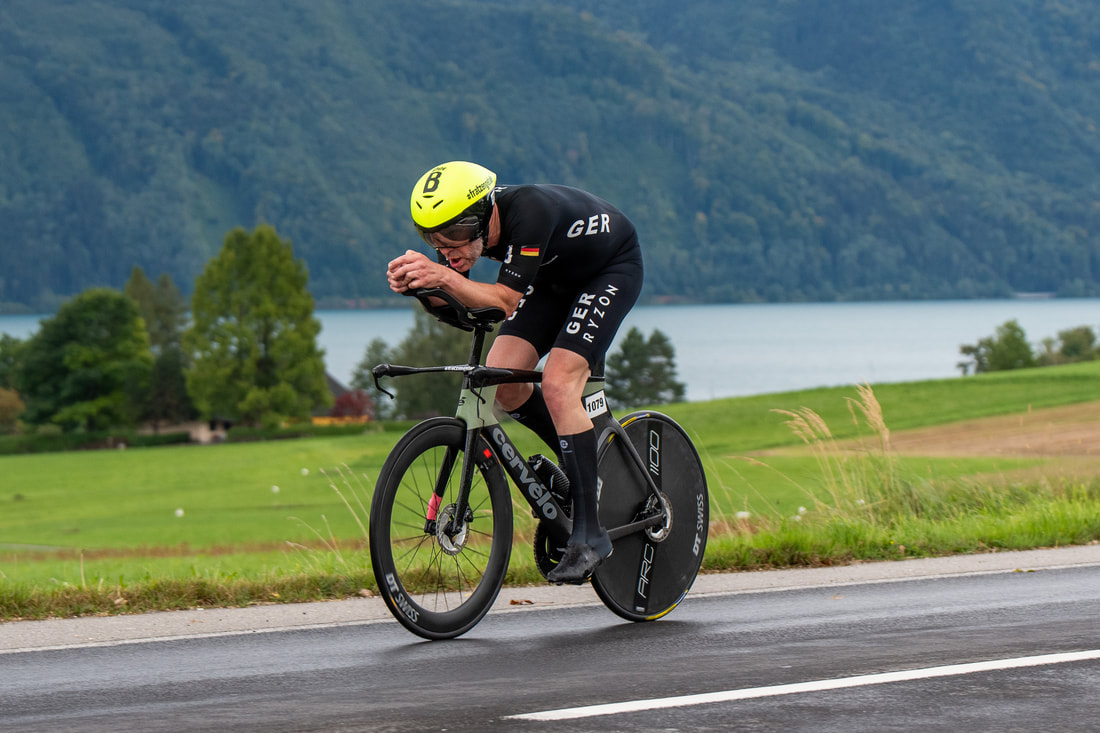
Zum Vergleich dazu auch mal zwei Bilder mit mir als Pilot: Eins aus Schwesing mit komplett waagerechten Unterarmen, aus Erinnerung waren die Extensions dazu noch deutlich über 85 lang und man beachte auch da schon den Sabberfaden. Auf dem zweiten Bild von der 2022er Regenschlacht am Attersee seht ihr schon, was mit dem ganzen Bereich Hand und Kopf passiert, wenn die dichter zusammen positioniert sind.
Wo wir gerade beim Thema Eigenlob sind, hier wieder ganz dezent versteckt der obligatorische Werbeblock:

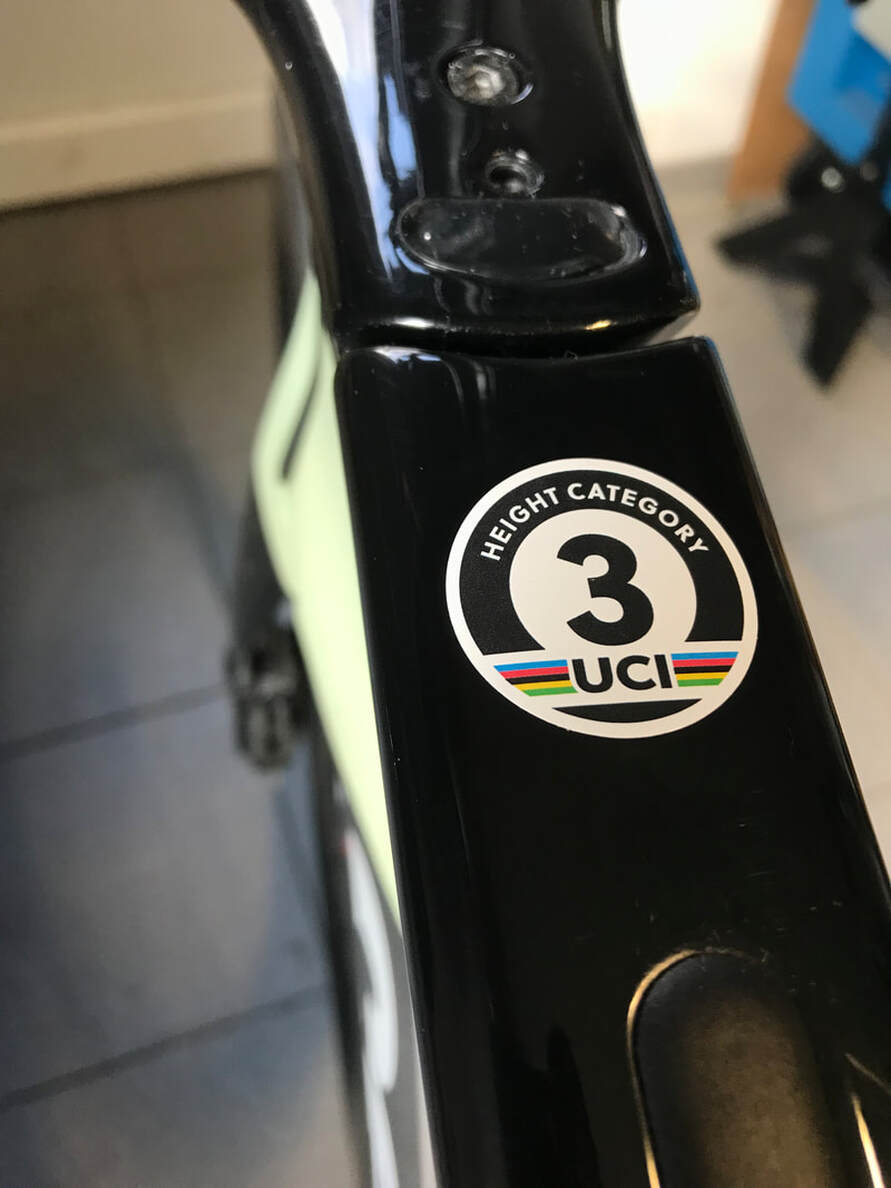
Neben dem Attest gibt es jetzt drei Logos, die das dann noch auf dem Oberrohr entsprechend ausweisen. Ich habe zwar etwas gebraucht bis ich gemerkt habe, dass man die nicht einfach von der UCI-Webseite abziehen kann, aber inzwischen habe ich einen auf dem Oberrohr.
Zum Schluss noch eine kleine Tippsammlung von mir für alles was die Position auf dem TT-Bike angeht:
- Notiert immer alle Koordinaten separat und markiert das auf Stütze, Extensions usw. per Edding. Das hilft bei Neuaufbauten, nach dem Winter und überhaupt.
- Messt per Wasserwaage auf ebenem Grund und sucht das Lot durch das Tretlager einmal richtig und markiert auch das dann auf dem Oberrohr. Von da geht die Reise dann richtig los mit allem anderen.
- Achtung: Unterschiedliche und regelmäßig wechselnde Reifenbreiten (und -höhen!) verändern das wieder minimal. Wenn ihr alles bis auf den letzten Millimeter ausreizt, könnt ihr doof dastehen, wenn richtig gemessen wird.
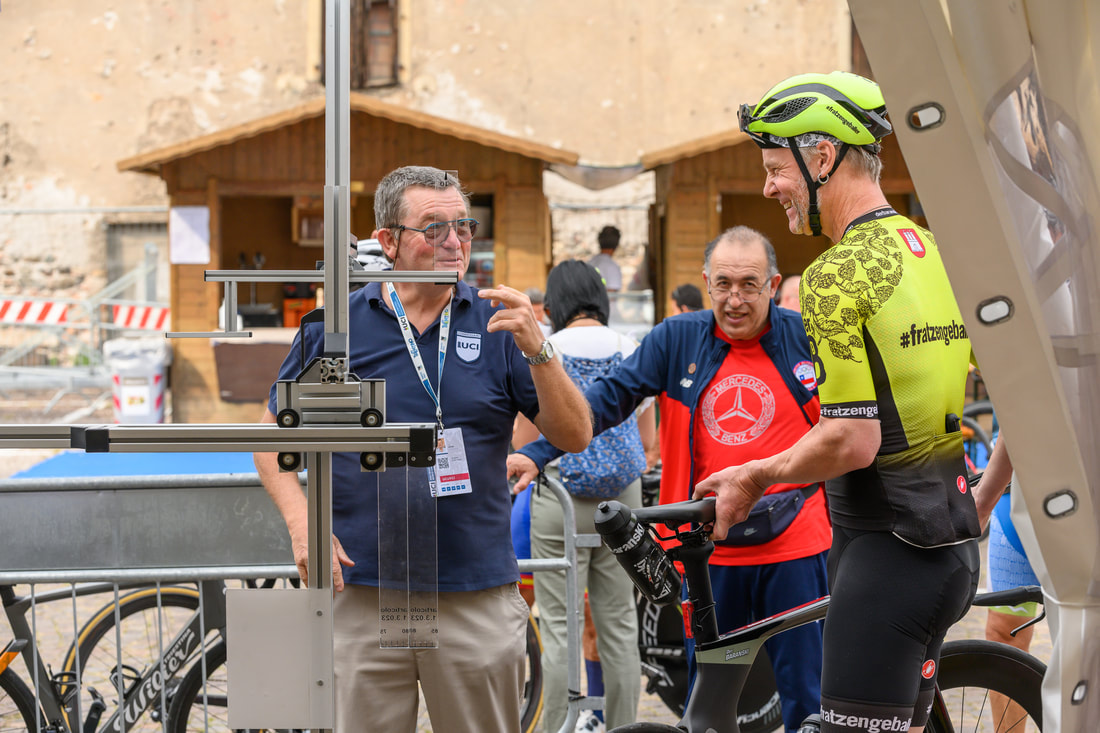
- Wenn ihr partout diskutieren wollt mit den Herren Kommissären, dann stellt euch bitte in der Schlange hinter mir an, ich habe keine Lust mehr wegen sowas zu warten und bin vorm Wettkampf eh immer ungenießbar, wie mal munkelt.
Sincerely,
The Big Baranski
Danke für die Bilder an Claas Spiegelberg, Stefan Trocha, Gottfried Gärtner, sportograf und meine allerliebste fotorika.
Alright, folks, let’s talk about the new UCI rules for time trial bikes. Finally, there’s some fresh stuff from our beloved cycling overlords, the UCI, regarding time trial bikes. As the governing body, their main gig is regulating stuff and, let’s be real, often banning things. Sometimes it gets absurd, like the allowed length of socks or how you’re supposed to sit on the bike during a race. Nowadays, you gotta be on the saddle during descents and can’t chill on the top tube. But hey, I’m past that. However, I’ve been rubbing against the rules for setting up my cockpit on the time trial bike for years, and I’ve ranted about it here in the blog too.
But here’s the good news: Suddenly, tall riders like me are sitting much better and, by the way, safer on the bike. Or should I say, we’re officially allowed to now. There are new rules in place for this season. Besides questions like how close a support vehicle can follow behind a rider – yep, there are benefits to having one back there too – it’s primarily about adjusting the cockpit to the bottom bracket. Specifically, for me, being over 190 centimeters tall, I can now sit not only 85 centimeters in front of the bottom bracket with the end of the extensions but also tilt the cockpit so steeply that the height difference from the middle of the arm pad to the end of the shifter is 14 centimeters. Last year, that was a maximum of ten centimeters, and while that might sound like a small difference, it has massive implications.
Let me show you two pictures of the same bike, my good old Scott Plasma, in UCI dimensions. One with the old setup, with just ten centimeters, and now with me standing next to it in the rain with a 14-centimeter height difference.
The huge advantage now is that I can tuck my long forearms much better on the incline and at the same time get my hands much closer to the helmet. Or the helmet behind the hands, which has the same effect because it’s aerodynamically faster. How do I know this already? I tried it last autumn, and coincidentally, the fastest setup back then is what I’m allowed to ride now. Maybe it helped that I was testing with Lars Teutenberg on the track, and he usually only tests people who do cycling for a living, are half my age, and unlike me, only ride under the UCI logo. For me, that’s only a fraction of my racing calendar now.
For comparison, here are two pictures with me as the pilot: one from Schwesing with completely horizontal forearms, and I remember the extensions being well over 85, and also note the drool there. In the second picture from the 2022 rain battle at Attersee, you can already see what happens with the whole hand and head area when they’re positioned closer together.
Previously, depending on the design, the cockpit was sometimes so short that I could only grip with my middle or ring finger, which often led to unbalancing on bumps. As a consequence, I developed my own hooks for aero handlebars, and they seem to make other people happy and sit safer on the bike too.
Speaking of which, a subtle ad block: For those of you who need a really slick speed machine, so at least you have no excuses on the equipment front, please hurry over to my derbaranski.shop and buy it all up before the competition does!
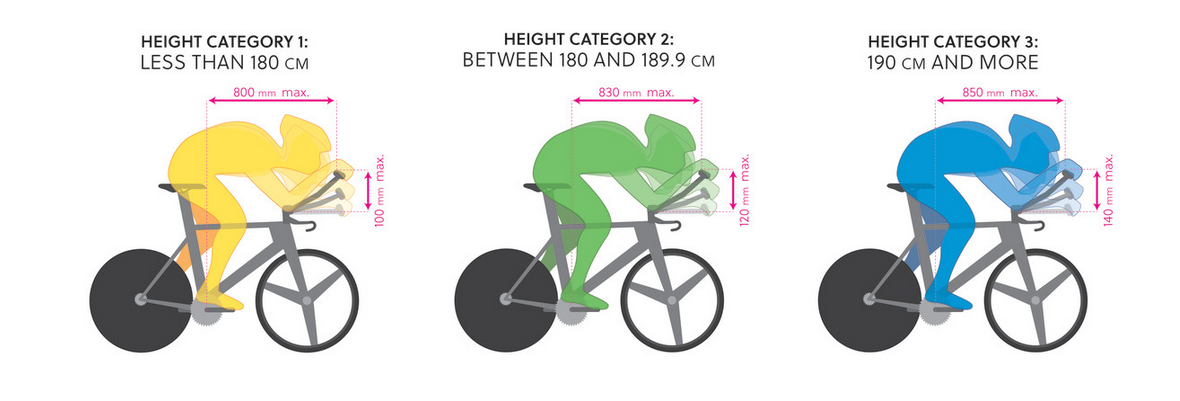
So far, so good. And if you’re wondering what someone who’s 170 or 180 centimeters tall gets out of this, well, there’s good news for you too. The rider field is now divided into three categories, and I cheekily copied some stuff from the folks in Aigle, who illustrated it wonderfully and showed that a problem was recognized. I quote: „The objective of the new regulations is to provide riders with greater stability and safety while maintaining an aerodynamic position.“
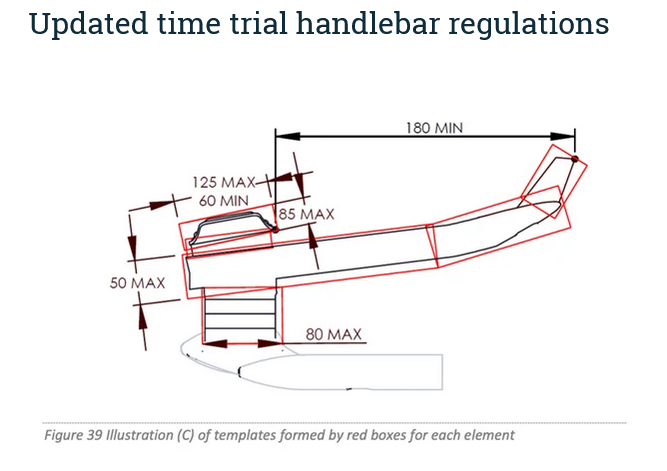
If you want to delve deeper into the dimensions or plan to laminate or 3D print your own handlebars later, I recommend this graphic, which also shows things like how long the arm pads can be (125 mm) or how high they can be pulled (80 mm).
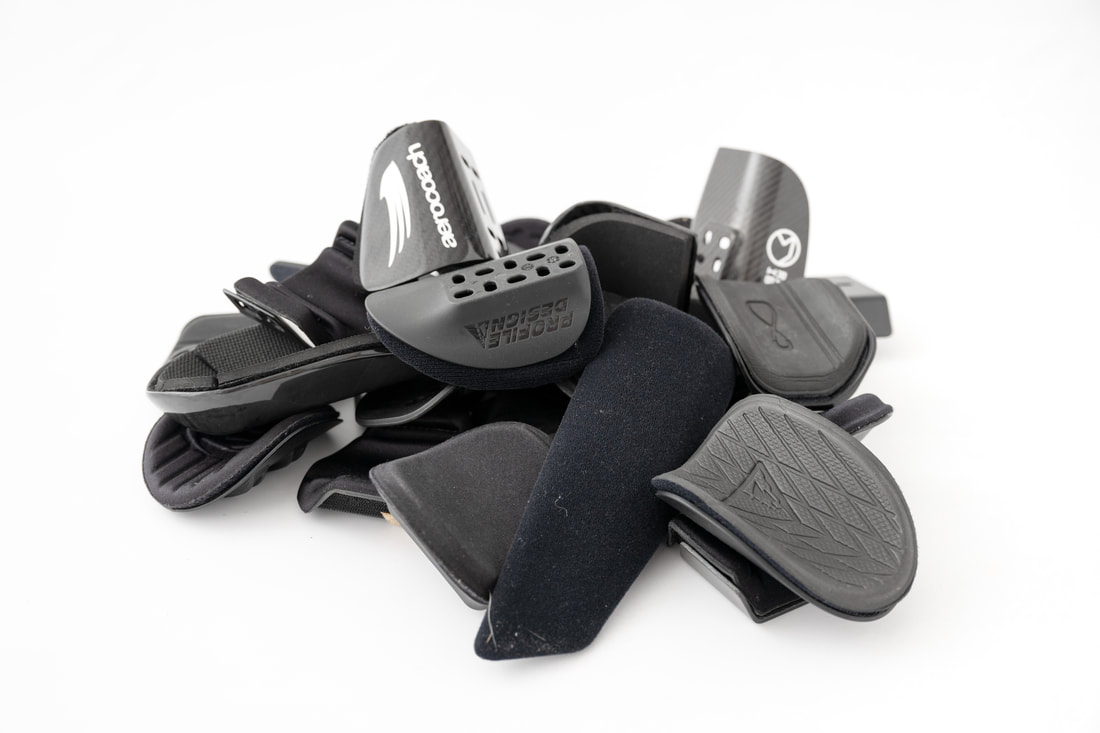
If you want to dive even deeper, you can now also buy the new issue of triathlon magazine, where I wrote something exclusively about arm pads.
And in the previous issue, there was something about all the bike fit coordinates on the bike with aero handlebars.
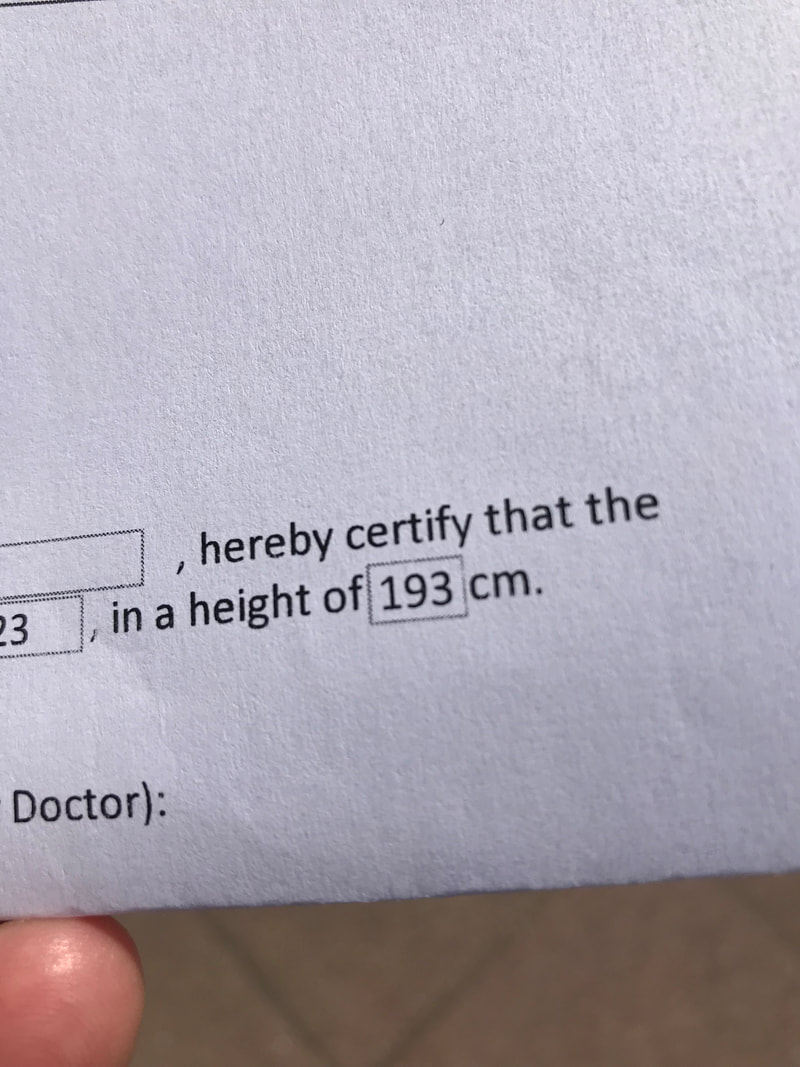
Now, the UCI wouldn’t be the UCI, and I wouldn’t be the critical consumer (aka Baranski the old grumbler), if it didn’t get a bit absurd. To distinguish the categories and presumably to avoid discussions with riders who aren’t as tall as they’d like to be just before the start, you have to get confirmation of your height from the doctor with a medical certificate. Mine already knows my absurd requests from the past few years, something like: „Hey, Doc, I’m racing in Italy next week for the World Championships, so I need a certificate of fitness.“
And once you have that, you have to upload it to them 15 days before the first competition under UCI regulations to get listed. I’m not sure if this is known and checked, for example, at the championships of the northern federations (and the various other national time trial championships of the German Cycling Federation) on May 6, but just in case, I’d start panicking right now if I were you. Otherwise, you’ll be left standing there like a lemon and won’t be allowed to play.
In addition to the certificate, there are now three logos that indicate this on the top tube accordingly. It took me a while to realize that you can’t just grab them from the UCI website, but I have one on my top tube now.
I also have some in the other two sizes lying around here, and probably soon available for purchase at my derbaranski.shop. One small problem with my sticker supplier: He absolutely refuses to reduce his error rate of 33 percent and always messes up at least one of the sizes with the central punching. But we’ll get that sorted out too.
Finally, a little tip collection from me for everything regarding the position on the TT bike:
- Always note down all the coordinates separately and mark them on the seat post, extensions, etc., with a marker. It helps with new builds, after the winter, and overall.
- Use a spirit level on level ground and find the plumb line through the bottom bracket once correctly and also mark that on the top tube. From there, the journey begins with everything else.
- Caution: Different and regularly changing tire widths (and heights!) change things again minimally. If you’re pushing everything to the last millimeter, you might look stupid if it’s measured correctly.
- If you absolutely want to argue with the gentlemen commissaires, then please stand in line behind me, I don’t want to wait anymore because of stuff like this, and I’m always unpleasant before a race, as rumor has it.
Clear?
Sincerely,
The Big Baranski
#timetrial #timetrialtuesday #zeitfahren #triathlon #aerolenker #getaero #aeroiseverything #cyclingtimetrials #aeroasadrop #aerobars #derbaranskishop #fratzengeballer